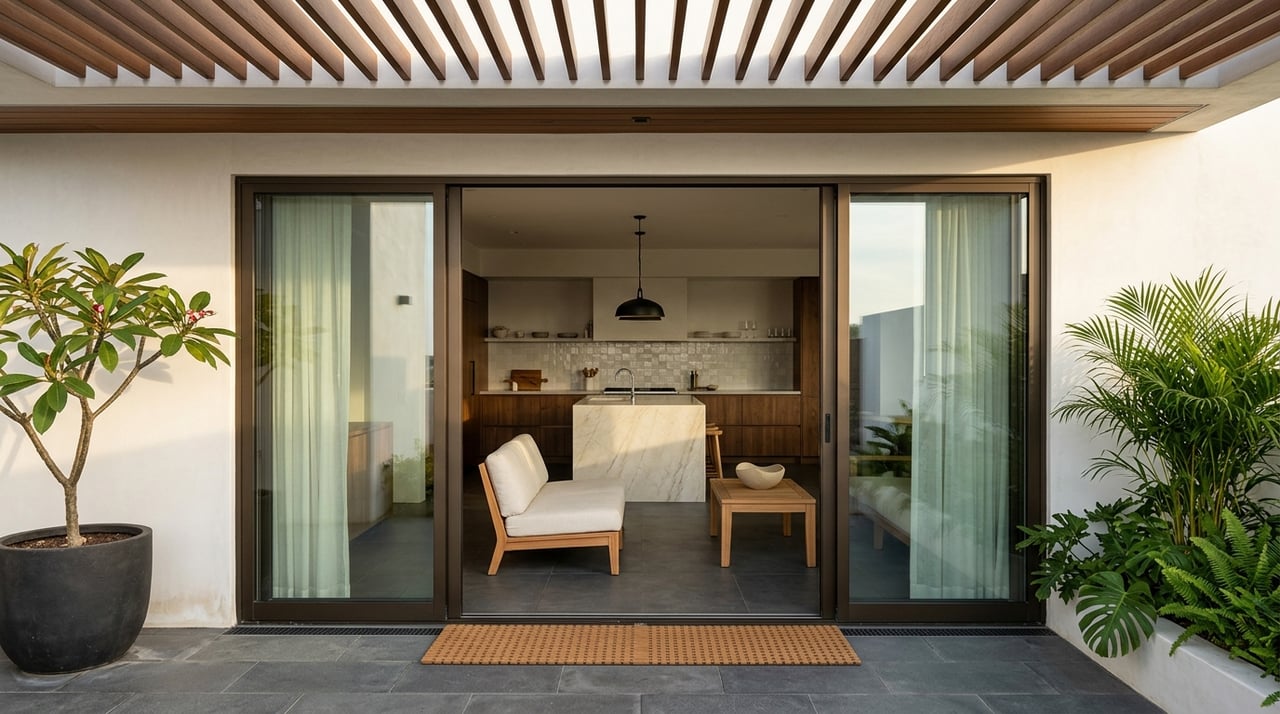
Dreaming about a second home in Hanalei usually starts with a feeling. You picture mountain backdrops, beach days, and a slower pace that feels far removed from the mainland. If you are considering making that dream real, you also need a clear view of what ownership looks like here, from property types and taxes to rental rules and North Shore access. Let’s dive in.
Why Hanalei draws second-home buyers
Hanalei stands out because the setting is the lifestyle. Kauaʻi County describes the North Shore as an area rich in natural resources, scenic resources, and outdoor recreation, with a small-town and rural character that feels intimate and distinct.
That appeal goes beyond the home itself. County planning materials point to places like Hanalei Valley, the Hanalei River, taro farms, and the historic one-lane bridges stretching from Hanalei toward Hā‘ena. For many second-home buyers, that combination of scenery, pace, and setting is the real value.
If you are coming from the mainland, Hanalei often feels different from more built-out vacation markets. The area offers a less dense, more rural environment, with beaches, mountain views, and a strong sense of place that shapes daily life.
What homes you may find
Hanalei is not a typical resort-style second-home market. The county describes this part of the North Shore as a mix shaped by historic town patterns, valley settings, and rural land divisions.
That means your options may feel less uniform than in a master-planned community. Depending on the specific area, you may encounter older homes, properties influenced by agricultural land patterns, and homes where the setting is just as important as the structure.
Hanalei versus Princeville
Many second-home searches on the North Shore end up comparing Hanalei with Princeville. That is a smart comparison, because the two areas can offer very different ownership experiences.
Princeville is described by the county as a master-planned resort, residential, and golf course community. Hanalei, by contrast, is more town-and-valley oriented, with a more rural and historic feel.
If you want a second home that feels woven into Hanalei’s small-town setting, your search will likely focus differently than if you want a more resort-structured property mix nearby. This is one of the first strategic decisions to make before you narrow in on a home.
Rental use needs careful review
If part of your plan includes occasional rental income, it is important not to make assumptions. Kauaʻi County identifies Princeville, Poʻipū, and Kapaʻa as the island’s main Visitor Destination Areas, and the Planning Department says short-term rentals under 180 days are not permitted outside a Visitor Destination Area.
That matters because Hanalei does not automatically function like a resort visitor district. A home that seems perfect as a second home may not fit your intended rental strategy.
What to confirm before you buy
Before moving forward on any property where rental use matters, confirm the details carefully. In this market, parcel-level verification is essential.
A few items worth reviewing include:
- Whether the property is in a Visitor Destination Area
- Whether there is an existing legal transient vacation rental or homestay status
- Whether the current use matches county rules
- What deadlines apply if a permit or renewal must transfer after closing
For an existing legal TVR or homestay, the county says buyers should obtain the full file, the most recent renewal application, and the renewal letter. The county also says a new owner must submit the current-year renewal application within 30 days of recordation, with no grace period for late renewal.
Understand property taxes before you commit
One of the biggest surprises for off-island buyers is how property tax treatment can differ from what they expect. On Kauaʻi, property tax is based on the actual use of the parcel, not simply the zoning.
For a second home, that usually means the property will fall into the non-owner-occupied residential class unless it qualifies as an approved vacation rental or later becomes your principal residence. Owner-occupied treatment is limited to a principal residence and is not automatic.
FY 2025-2026 Kauaʻi tax rates
Here is a simple snapshot of the county tax rates noted in the research for FY 2025-2026:
| Tax class | County rate per $1,000 |
|---|---|
| Owner-occupied | $2.59 |
| Non-owner-occupied residential tiers | $5.45, $6.05, $9.40 |
| Vacation rental tiers | $11.30, $11.75, $12.20 |
On a hypothetical $2 million assessed value, the county examples work out to about $5,180 per year if owner-occupied, about $11,320 if non-owner-occupied residential, or about $23,050 if taxed as a vacation rental, before exemptions and other fees.
Exemptions and tax filings
If you are buying a second home, do not assume you will receive homeowner treatment. Kauaʻi County says homeowner exemptions must be filed for and the requirements must be met by September 30 for the next tax year.
That means a second home does not receive owner-occupied classification unless and until it becomes your principal residence and the exemption is properly claimed. This is an important part of your ownership budget from day one.
Know the taxes tied to rental income
If you plan to rent the property, even part-time, there may be additional tax obligations. Hawaiʻi says rental proceeds are subject to state income tax and the general excise tax.
Short-term accommodations are also subject to transient accommodations tax. In addition, Kauaʻi imposes its own 3% county transient accommodations tax, separate from the state tax.
Because the numbers can add up quickly, it helps to evaluate rental use as a business decision, not just a lifestyle bonus. A second home can still be a great fit, but the math needs to reflect local rules.
Look closely at hazard exposure
Hanalei’s beauty is part of the draw, but coastal and low-lying locations also require careful due diligence. County climate materials say sea-level rise increases risks from coastal flooding, erosion, storm surge, high waves, and tropical cyclones.
County materials also note that Hanalei and Hā‘ena are particularly vulnerable to sea-level rise and coastal erosion. Planning materials reference the need to prepare for at least 3 feet of sea-level rise, and in low-tolerance areas, 6 feet.
Tools worth checking
For buyers, hazard review should be part of the property search, not an afterthought. Two county and official map resources are especially relevant.
You will want to review:
- The county’s Sea Level Rise Constraint District viewer
- FEMA flood maps through the official Flood Map Service Center
FEMA also notes that federally regulated or insured lenders require flood insurance for buildings in a Special Flood Hazard Area when the loan is federally backed. For some buyers, this can affect both monthly costs and long-term ownership planning.
Access can shape ownership experience
On Kauaʻi’s North Shore, access is not just a convenience issue. It can be part of the ownership equation.
County flood updates show that Kūhiō Highway near the Hanalei Bridge can close during flooding. The county’s North Shore destination planning materials also identify the stretch from Hanalei Bridge to Keʻe Beach, along with Hanalei Bay and Hā‘ena, as areas of utmost concern due to access and capacity.
For a second-home owner living off-island much of the year, that reality affects how you plan. It can influence how you think about arrival days, emergency response, storm prep, and routine property checks.
Why local support matters
A practical second-home plan in Hanalei often includes local systems and local people. While not a legal requirement, county hazard and emergency materials support the common-sense value of having a plan for weather, access disruptions, and property monitoring.
That may include:
- Signing up for county emergency notifications through WENS
- Establishing a storm-prep checklist
- Monitoring road and weather conditions before travel
- Having a clear vendor and inspection response plan when you are away
For mainland buyers especially, that kind of preparation can make ownership feel smoother and more secure.
How to buy more confidently in Hanalei
A second home in Hanalei can be deeply rewarding, but it is rarely a plug-and-play purchase. You are buying into a specific place with its own land patterns, tax structure, access realities, and rental rules.
That is why local insight matters so much. Comparing Hanalei with nearby alternatives like Princeville, understanding how the county classifies use, and reviewing hazard and access issues early can help you make a smarter and calmer decision.
If you are exploring a second home on Kauaʻi’s North Shore, working with a team that understands Hanalei, Princeville, and the nuances of off-island ownership can save you time and help you avoid expensive assumptions. When you are ready for tailored guidance, connect with Danette Andrews.
FAQs
What makes Hanalei appealing for a second home on Kauai?
- Hanalei appeals to many second-home buyers because of its scenic North Shore setting, beach access, rural character, and slower pace shaped by landmarks like Hanalei Valley, the Hanalei River, and nearby taro lands.
What types of second-home properties are common in Hanalei?
- Buyers in Hanalei often encounter a mix shaped by historic town patterns, valley locations, and rural land divisions rather than a uniform resort-style housing stock.
How is a second home in Hanalei usually taxed?
- A Hanalei second home will usually be taxed as non-owner-occupied residential unless it becomes your principal residence or qualifies as an approved vacation rental under county classification rules.
Can you use a Hanalei second home as a short-term rental?
- You should verify this carefully, because Kauaʻi County says short-term rentals under 180 days are not permitted outside a Visitor Destination Area, and Hanalei should not be assumed to function like a resort visitor district.
What hazard issues should buyers review for a Hanalei second home?
- Buyers should review flood maps, sea-level rise exposure, coastal erosion concerns, and any related insurance implications, since county materials identify Hanalei as particularly vulnerable to some coastal hazards.
Why does access matter when buying a second home in Hanalei?
- Access matters because flooding can affect Kūhiō Highway near Hanalei Bridge, and North Shore planning materials identify parts of the Hanalei to Hā‘ena area as especially sensitive due to access and capacity constraints.
